Shop Cannabis Cannabinoids For Sale in Wellfleet, MA
Explore the world of cannabinoids at Cape Cod Cannabis in Wellfleet, MA. Our dispensary offers a diverse selection of cannabis products rich in cannabinoids like THC, CBD, CBG, CBC, and CBN, each interacting with your body’s endocannabinoid system to support functions such as mood, sleep, and pain management. Whether you’re seeking relaxation, relief, or rejuvenation, our knowledgeable team is here to guide you to the right product. Visit us to experience the benefits of cannabinoids and discover why Cape Cod Cannabis is a trusted destination for cannabis enthusiasts.
What Are Cannabinoids?
Cannabinoids are naturally occurring chemical compounds found in the cannabis plant that interact with the body’s endocannabinoid system (ECS)—a network of receptors involved in regulating many physiological functions like mood, pain, appetite, sleep, and immune response.
There are three main types of cannabinoids:
1. Phytocannabinoids (from cannabis)
These are the cannabinoids found in cannabis plants. Some of the most well-known include:
- THC (tetrahydrocannabinol) – The primary psychoactive compound responsible for the “high.”
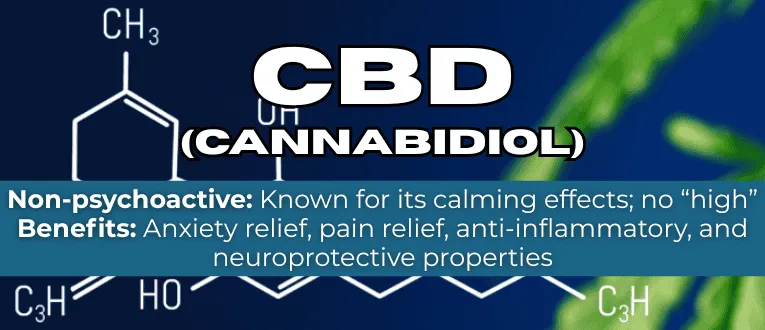
- CBD (cannabidiol) – Non-psychoactive; known for potential benefits like reducing anxiety, inflammation, and seizures.
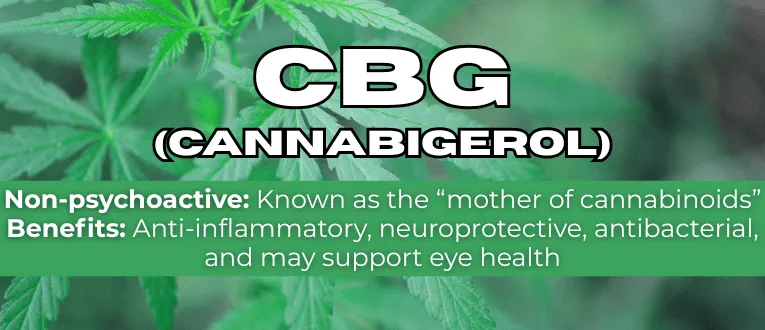
- CBG (cannabigerol) – A precursor to other cannabinoids; studied for mood, pain, and antibacterial properties.
- CBC (cannabichromene) – Non-intoxicating; may support pain relief and neurogenesis.
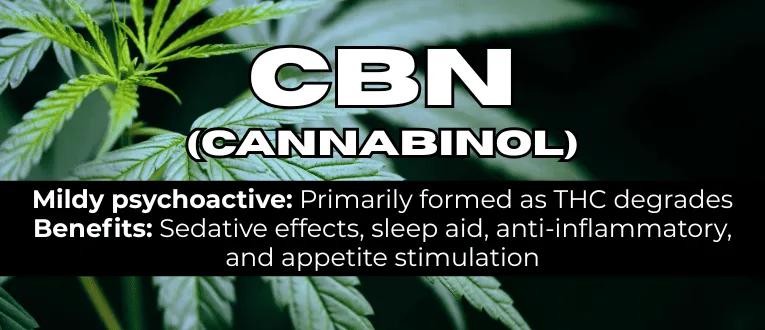
- CBN (cannabinol) – Formed as THC degrades; mildly psychoactive with potential sedative effects.
2. Endocannabinoids (from the body)
These are produced naturally by the human body and include:
- Anandamide – Sometimes called the “bliss molecule”; binds to cannabinoid receptors and helps regulate mood and appetite.
- 2-AG (2-arachidonoylglycerol) – Involved in regulating immune function and inflammation.
3. Synthetic Cannabinoids
Man-made compounds designed to mimic natural cannabinoids. Some are used medically (e.g., dronabinol) while others (e.g., Spice, K2) are illegal and often dangerous.
What Do Cannabinoids Do?
Cannabinoids bind to CB1 and CB2 receptors in the body:
- CB1 receptors are mainly in the brain and central nervous system—linked to mood, memory, and pain perception.
- CB2 receptors are found in the immune system—linked to inflammation and pain relief.
Together with terpenes, cannabinoids contribute to the entourage effect, where compounds work together to enhance each other’s therapeutic potential.
Top 9 Cannabinoids
Shop All Cannabinoids
“TAC” – Total Active Cannabinoids
TAC, or Total Active Cannabinoids, refers to the combined percentage of all active cannabinoids in a cannabis product, including THC. It’s more than just THC; it encompasses other cannabinoids like CBD, CBN, and CBG, providing a broader picture of the product’s overall potency and potential effects.
Shop Now
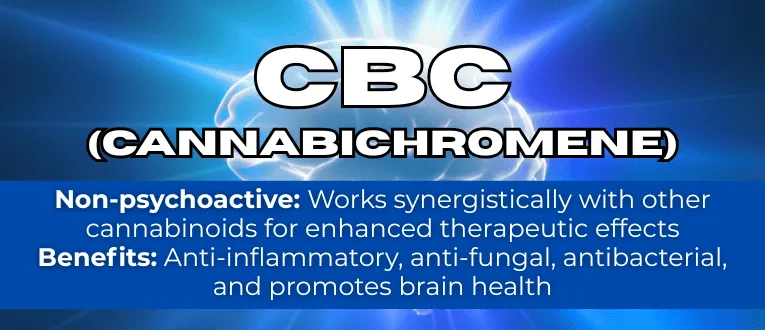
CBC (Cannabichromene)
Cannabichromene (CBC) is a non-psychoactive cannabinoid found in cannabis, meaning it doesn’t produce a “high” like THC. It’s considered one of the “big six” cannabinoids and is being studied for its potential therapeutic effects, including anti-inflammatory, anti-nociceptive, and anti-cancer properties.
Shop Now
CBCA (Cannabichromenenic acid)
CBCA (Cannabichromenic Acid) is the acidic precursor to CBC (Cannabichromene), one of the lesser-known, non-psychoactive cannabinoids found in cannabis. Like other cannabinoid acids, CBCA exists in raw, unheated cannabis and decays into CBC when exposed to heat (through decarboxylation).
Shop Now
CBCV (Cannabichromevarin)
CBCV (Cannabichromevarin) is a minor cannabinoid found in cannabis, structurally related to CBC (Cannabichromene), but with a slight variation in its chemical structure. Like other varin-type cannabinoids, CBCV has a propyl side chain rather than the more common pentyl side chain found in CBC and other cannabinoids like THC and CBD.
Shop Now
CBD (Cannabidiol)
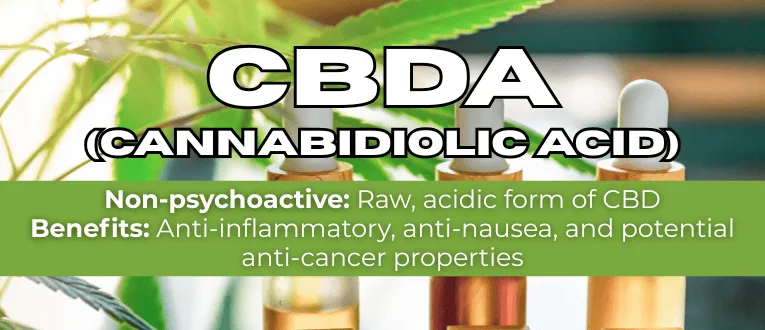
CBDA (Cannabidiolic acid)
Cannabidiolic acid, is a cannabinoid produced in cannabis plants. It is the precursor to cannabidiol. It is most abundant in the glandular trichomes on the female seedless flowers or more accurately infructescence often colloquially referred to as buds or flowers.
Shop Now
CBDV (Cannabidivarin)
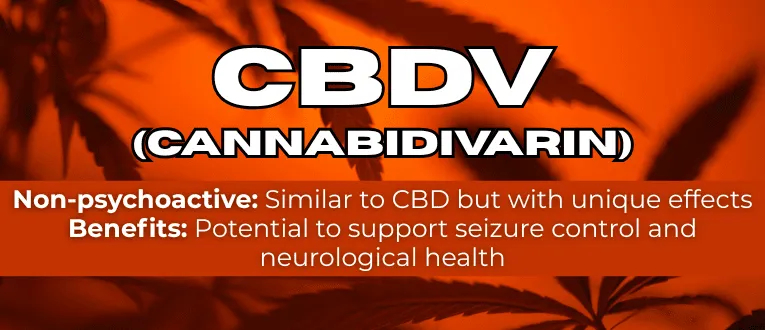
CBDV (Cannabidivarin) is a non-psychoactive cannabinoid found in cannabis and hemp, closely related to CBD (Cannabidiol) in structure and effects. It’s a member of the “varin” family of cannabinoids, which are known for having a shorter side chain than their more common counterparts.
Shop Now
CBDVA (Cannabidivarinic acid)
Cannabidivarinic acid (CBDVA) is the carboxylic acid precursor of cannabidivarin (CBDV), a close chemical relative to cannabidiol (CBD). All of these substances originate in Cannabis sativa, and CBDVA, CBDV, and CBD share more similarities than differences.
Shop Now
CBG (Cannabigerol)
CBG (Cannabigerol) is a non-psychoactive cannabinoid found in the cannabis plant. It’s often referred to as the “mother of all cannabinoids” because it’s the precursor from which other cannabinoids like THC and CBD are synthesized.
Shop Now
CBGA (Cannabigerolic acid)
CBGA (Cannabigerolic Acid) is a naturally occurring acidic precursor cannabinoid found in raw cannabis. It’s often called the “mother cannabinoid” because it’s the first cannabinoid the plant produces — and the one that eventually turns into other major cannabinoids like THCA, CBDA, and CBCA.
Shop Now
CBL (Cannabicyclol)
CBL (Cannabicyclol) is a lesser-known, non-psychoactive cannabinoid found in the cannabis plant. It’s considered a degradation product, meaning it forms when other cannabinoids—mainly CBC (Cannabichromene)—break down over time due to light, heat, or air exposure.
Shop Now
CBLA (Cannabicyclolic Acid)
CBLA (Cannabicyclolic Acid) is the acidic precursor to CBL (Cannabicyclol) — a rare and non-psychoactive cannabinoid. Like many other cannabinoid acids, CBLA exists naturally in raw, unheated cannabis, and it degrades from CBCA (Cannabichromenic Acid) over time, especially when exposed to light or heat.
Shop Now
CBN (Cannabinol)
CBN (Cannabinol) is a mildly psychoactive cannabinoid found in cannabis, best known as a byproduct of THC degradation. When THC ages—due to exposure to heat, light, or oxygen—it breaks down into CBN. That’s why older cannabis often has higher levels of CBN.
Shop Now
CBNA (Cannabinolic Acid)
CBNA (Cannabinolic Acid) is the acidic precursor to CBN (Cannabinol) and is found in raw, unheated cannabis. It forms when THCA (tetrahydrocannabinolic acid) is exposed to oxygen over time, undergoing a natural process called oxidation.
Shop Now
CBT (Cannabicitranis)
THC-D8 (Delta 8-tetrahydrocannabinol)
THC-D9 (Delta 9–tetrahydrocannabinol)
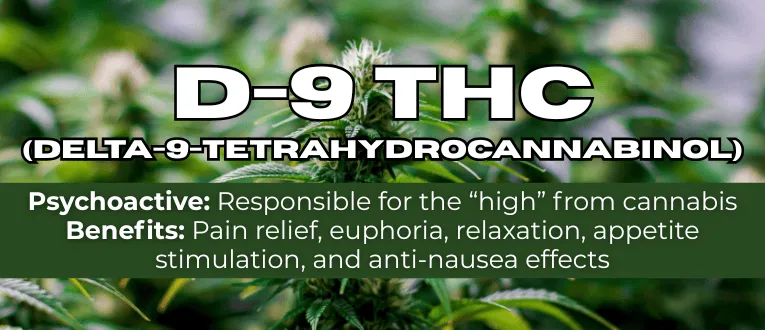
THC-D9 (Delta-9-Tetrahydrocannabinol) is the primary psychoactive compound in cannabis — it’s the one most responsible for the classic cannabis “high.” Delta-9 binds with receptors in the brain’s endocannabinoid system, producing effects that range from euphoria and relaxation to altered perception and increased appetite.
Shop Now
THCA (Δ9-tetrahydrocannabinolic acid)
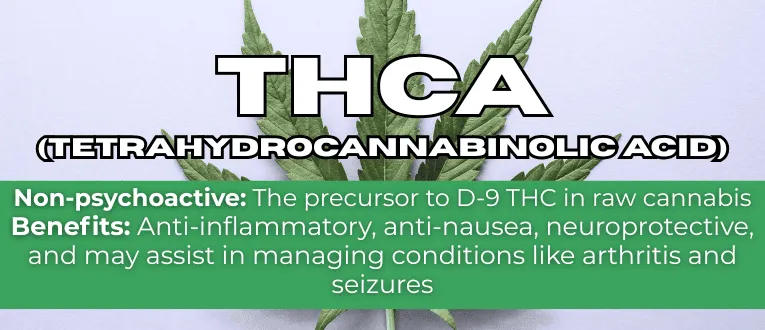
THCA (Δ9-Tetrahydrocannabinolic Acid) is the non-psychoactive, acidic precursor to Delta-9 THC — the cannabinoid responsible for the cannabis “high.” THCA is found in raw, unheated cannabis and only becomes psychoactive after decarboxylation, a process triggered by heat (like smoking, vaping, or cooking).
Shop Now
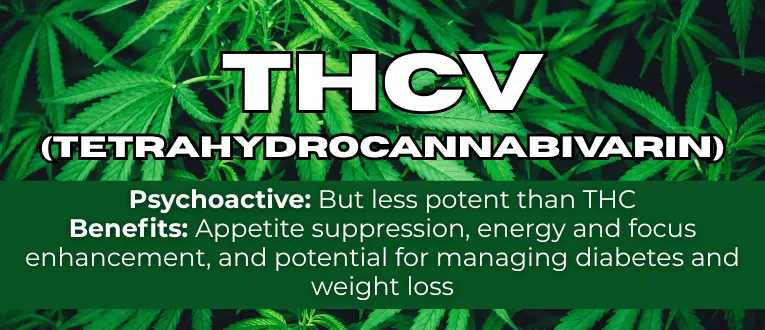
THCV (Tetrahydrocannabivarin)
THCV (Tetrahydrocannabivarin) is a psychoactive cannabinoid found in cannabis, known for its distinct effects compared to Delta-9 THC. It shares a similar chemical structure with THC but tends to produce different effects on the body and mind.
Shop Now
THCVA (Tetrahydrocanabivarinic acid)
THCVA (Tetrahydrocannabivarinic Acid) is the acidic precursor to THCV (Tetrahydrocannabivarin), found in raw, unheated cannabis. Like other cannabinoid acids, THCVA transforms into its active, psychoactive form — THCV — when exposed to heat (such as during decarboxylation).
Shop Now
*Cannabis is for use only by adults 21 years of age or older. All information contained herein is for educational purposes only. None of this information should be interpreted as medical or treatment advice for any person or condition. Always consult with a licensed physician in all matters regarding your health. View our Disclaimer.