There’s nothing like watching your pet running around outside and having fun. The yard is their playground because in many ways, your pet is back in their natural element. You might think your animal is actually safest outside since there is no deterrent for them to poke their noses in or any shoes to chew on.
But the outdoors presents a whole bunch of hazards that we need to pay attention to.
Products Used in the Yard and Garage
We use all sorts of products to keep our lawns and flower beds looking fresh and healthy. If it’s winter, maybe we are using a solvent to clear some of the snow and ice. But what we might not realize is these products can be highly toxic to animals:
- Synthetic chemical fertilizers. Consider composting or trading the synthetic stuff for seaweed, manure or grass clippings.
- Herbicides. Nobody likes weeds in their yard, but instead of spraying them with chemicals, you can kill them with boiling water or sprinkling them with salt. You can also manually remove them yourself.
- Poisonous insecticides. There are plenty of pet-safe and environmentally friendly options at pet stores.
- Cocoa Mulch. This smells like chocolate and it might be tempting for your pet. Use pet-safe mulch like pine needles, leaves, and untreated wood.
- De-icing salts. During the winter, de-icing salts can really irritate your pet’s paws. If they are irritated, your pet will try to lick it off and can potentially poison themselves. Make sure your dog’s paws are washed every time they come in from a walk or have them wear booties.
- Loose garbage and cans. If your dog finds loose trash around the yard, they could ingest something that will not sit well in their tummy. You especially need to watch your smaller dog around trashed aluminum cans. If they stick their head in to lick something, their head could get caught and you might have to take a trip to the vet. Make sure your lawn is clean and if you have to throw your recycling bag out front, squeeze shut the openings of each can.
- Small animal traps and poisons. You might not use traps and poisons, but your neighbors might. Cats and dogs are at risk of suffering from secondary poison if they eat a rodent who has consumed pesticides. If your neighbor is concerned about pest control, ask them if they could use live traps (which are less likely to cause your pet fatal harm) or see if they use multi-feed rodenticides. Rats have to eat multi-feed rodenticides for several days before it’s effective, which means your pets will be less at risk.
There are other dangerous substances that we use around the garage that we need to look out for as well:
- Adhesives. Polyurethane adhesives are found in many household products like expanding wood glue. If your pet eats this, they could have a growing ball of sticky stuff growing in their stomach. Make sure your pet can’t get anywhere near these sorts of products.
- Paints and solvents. These can cause skin inflammation and chemical burns.
- Antifreeze that contains ethylene glycol. This tastes sweet and your pet might want its fill out it. Look for antifreeze that contains propylene glycol, which is safer if your animal happens to lick a bit of it.
Poisonous Plants
Believe it or not, there are many flowers that are toxic to your pets. For example, those pretty Azaleas you’ve been pruning throughout the year can cause your cat to become depressed and very ill.
If you have Azaleas or any of these plants in or around the house, you might want to consider replacing them or getting rid of them altogether:
- Lilies
- Lily of the Valley
- Oleander
- Yew
- Foxglove
- Kalanchoe
- Sago palms,
- Azaleas
- Rhododendrons
- Tulips
- Castor bean
- Cyclamen
- Amaryllis
- Chrysanthemums
- Pothos
- English ivy
- Philodendron
- Corn plant
- Mother-in-law’s tongue
- Hibiscus
- Hydrangea
- Schefflera
- Mushrooms
While this isn’t an exhaustive list of all the poisonous plants out there, it’s important to be vigilant against any risks. So if you are a green thumb and aren’t quite sure the need seed you want to plant in your garden is safe or not, talk to your vet.
Wildlife Danger
More often than not, domesticated animals are no match for the wildlife that lurks outdoors. Bears, raccoons, foxes, feral cats, and coyotes … These animals are highly dangerous creatures so it’s important to keep your pet protected.
If you live in an area where wild animals are a real threat:
- Don’t leave your pet tethered outside. Even if your yard is fenced, wild animals will still be able to get into your yard and attack.
- Never leave a puppy unattended outdoors. Puppies will not be able to defend themselves.
- Consider having an indoor cat. That way you’ll know they will always be safe from outside threats such as car accidents, wildlife attacks, and secondary rat poisoning. Most cats are perfectly happy indoors.
Fencing
While fencing your yard won’t protect your pet from all dangers, it’s still a good thing to install to reduce other risks like pet escapes and burglaries.
However, if you have a dog that’s a digger, they might be able to get under the fence you installed. In that case, consider pouring concrete in the area so they can’t scrape their way out.
Electric fences can be effective, but be aware that if a dog is frightened or stubborn enough, they can still run away. And if they run past the electric barrier, they’ll be less likely to re-enter it (those shock collars hurt!). Conventional fences are usually the best option to keep your pet where it is safe.
Weather
If you do keep your pet in a fenced backyard, be aware of the temperature changes in your area. If your city or town experiences extreme heat or cold, you probably don’t want to leave your dog out there for a sustained period of time.
During the summer, certain dog breeds are prone to overheating. During extremely cold winters, noses, ears, and paws can suffer from frostbite, and if your pet is left out for too long, they can die from hypothermia.
Swimming Pools
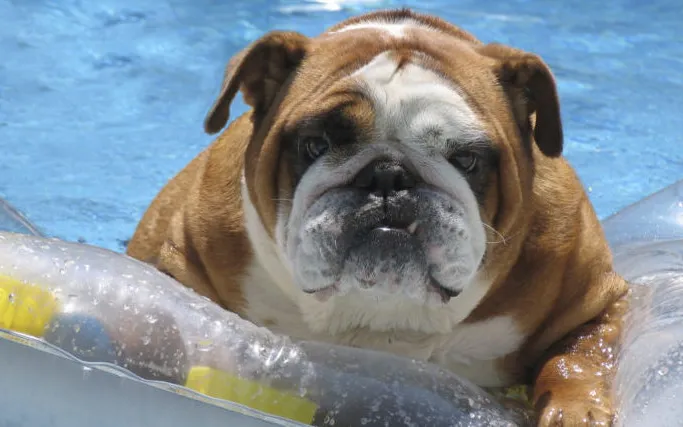
Many dogs (and rarely some cats) love to swim. For some pets, backyard pools are absolutely irresistible. To avoid any drowning accidents, make sure to supervise your animal while they are around the pool, especially if they are old or sick. Dogs instinctively know how to swim, but if they are not strong enough they could struggle in the water.
Consider covering your pool when you aren’t around. Sun covers might seem like they will do the trick, but they actually will cause more danger in the end. Sun covers are not strong enough to hold the weight of a medium size dog and so there’s a chance they’ll fall in and get tangled up. Use safety pool covers instead They can hold up to 4,000 pounds.