
Effective Dry Eye Treatment at Our Gainesville Clinic
Do you have teary or watery eyes?
Burning, itchiness, or a sandy feeling around your eyelids?
You might have dry eye syndrome.
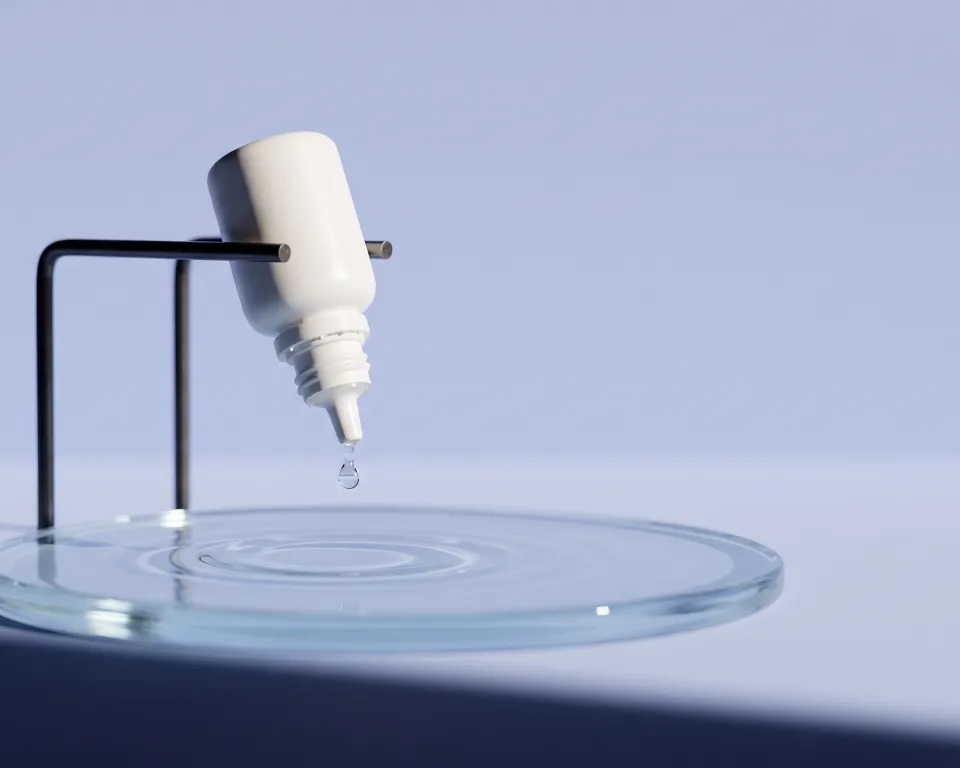
We know how uncomfortable and inconvenient dry eye syndrome can be. Our modern clinic provides many treatments to help with your symptoms and improve your eye health. Whether you suffer from occasional dryness or chronic irritation, we have solutions tailored to meet your needs.
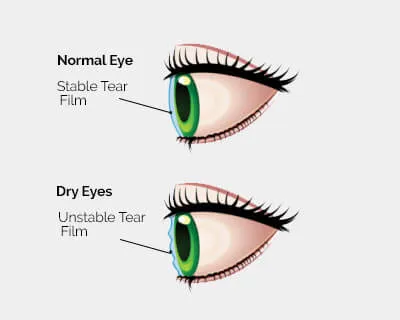
What Is Dry Eye Syndrome?
Dry eye syndrome, also called keratoconjunctivitis sicca, happens when the eyes don't make enough tears. It can also happen when tears evaporate too quickly because of their chemical makeup.
There are two primary types: aqueous-deficient dry eye and evaporative dry eye. Aqueous-deficient dry eye occurs when the lacrimal glands fail to produce enough of the watery component of tears, leading to insufficient tear volume.
Evaporative dry eye, on the other hand, is often caused by Meibomian gland dysfunction, where the glands in the eyelids do not secrete enough oil to prevent the tears from evaporating too quickly.
Both types can cause symptoms like dryness, irritation, redness, and blurred vision, but they require different approaches to management and treatment.
Causes of Dry Eye Syndrome
Dry eye syndrome can develop for many reasons, and it often results from a combination of factors. Here are some of the primary causes:
Tear Production Reduction: Age is a significant factor; as people get older, tear production tends to decrease. Medical conditions such as diabetes, rheumatoid arthritis, lupus, scleroderma, Sjogren's syndrome, thyroid disorders, and vitamin A deficiency can also diminish tear production.
Tear Evaporation Increase: Environmental conditions like wind, smoke, or dry air can trigger dry eye syndrome. Working at a computer or using a smartphone for extended periods can also cause a decrease in blinking, which exacerbates tear evaporation. Additionally, clogged meibomian glands in the eyelids can also result in dryness.
Imbalance in Tear Composition: The tears are made up of water, mucus, and fatty oils. Any imbalance in this composition can cause problems with tear stability and lead to dry eyes. This might result from hormonal changes, which can alter the secretions from the glands in the eye.
Medications: Certain medications can contribute to dry eye symptoms. These include antihistamines, decongestants, antidepressants, certain blood pressure medications, and acne treatments.
Refractive Eye Surgeries: Procedures such as LASIK can decrease tear production and contribute to dry eye symptoms. Usually, this condition is temporary and resolves within several months post-surgery.
Contact Lens Use: Long-term use of contact lenses can be a factor in developing dry eye syndrome.


How Do I Know If I Have Dry Eye Syndrome?
Do any of these symptoms seem familiar?
- Gritty, itchy, or stinging eyes
- Excessive tearing and discharge
- Eyes that feel tired or dry
- Increased light sensitivity
- Regularly using eye drops
- Discomfort that worsens as the day progresses
If so, you may have dry eye syndrome. Take our dry eye quiz to find out!

Hyclear Drops
Experience instant relief from dryness and irritation with Hyclear Drops. These specially formulated premium eye drops mimic natural tears for quick and effective results.

Lumify Eye Illuminations
Lumify Eye Illuminations Cleansing Water is ideal for gently cleansing and refreshing irritated eyes without harsh chemicals. Used to strengthen and protect your eyelashes and eyebrows, the lash serum promotes overall eye health.
Our Other Treatment Options:
- You can use over-the-counter eye drops or artificial tears to provide relief.
- Prescription-strength eye drops are available to reduce inflammation and help your eyes make more tears.
- Anti-inflammatory drops help reduce inflammation that causes dry eye syndrome. They can relieve symptoms and prevent future flare-ups.
- You can use heated compresses to warm the eyes and loosen oils in the meibomian glands, which helps improve tear quality and comfort.
- For more severe cases, we can insert tiny devices called punctal plugs into the tear ducts to prevent tears from draining away too quickly. This keeps your eyes more comfortable throughout the day.
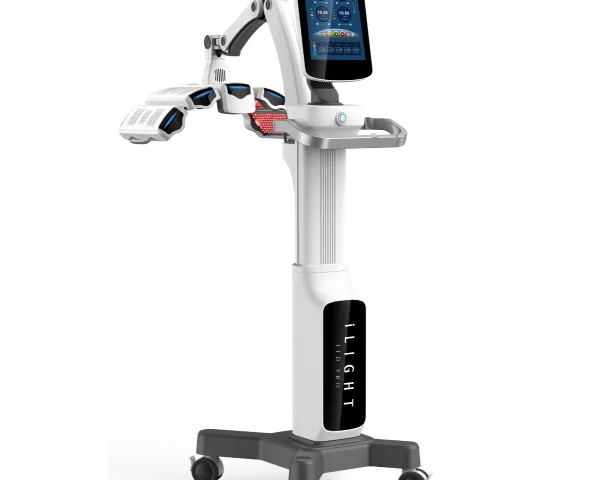
iLight LLLT Pro therapy
If standard treatments like eye drops and warm compresses haven’t brought lasting relief, it may be time to try a more advanced solution. iLight LLLT Pro therapy uses low-level LED light to reduce inflammation, reactivate the meibomian glands, and restore moisture to the eyes.
Ready to explore this innovative treatment?
Why Choose Us for Your Dry Eye Treatment?
Our clinic is committed to providing personalized care and the most advanced treatment options available. Our experts will guide you through each step of your treatment plan, ensuring you receive the best care possible.
Schedule Your Consultation Today
Come to our clinic for a thorough assessment and allow us to customize a treatment strategy just for you. Schedule your consultation today and start your path towards enhanced vision.
Questions and answers
Do You Have More Questions About Dry Eyes? | FAQ
Don’t wait for dry eye syndrome to deteriorate. Take action today by booking an appointment with York Eye Associates today.
Is there a cure for dry eye syndrome?
Unfortunately, there is no permanent cure for dry eye syndrome. However, there are a number of effective ways to prevent or treat symptoms. Make an appointment today with our trusted optometrists in Gainesville for evaluation and personalized treatment options.
What is the main cause of dry eye syndrome?
Dry eye syndrome commonly occurs because your eyes are not producing enough tears, or the tears being produced don’t contain the proper components to keep the eyes hydrated. An eye doctor can perform tests to determine what is causing your dry eyes, and how to treat the symptoms.
How do I prevent dry eye symptoms?
Many factors including allergies, hormones and the weather can cause dry eye symptoms such as dry, red, itchy and gritty-feeling eyes. Tips to prevent these symptoms include:
- Eating foods high in omega-3 fatty acids, which help produce oils in your tears that slow evaporation.
- Following the ”20-20-20 rule” when working on computers or screens. This means looking away from the screen every 20 minutes, for 20 seconds, at something at least 20 feet away, to give your eyes a break from the strain of working on digital screens.
- Position air vents, fans and heaters so that they don’t blow directly into your eyes, drying them out.
Can dry eye syndrome cause blindness?
Yes. In extreme circumstances, dry eyes can result in scratches on the eye that leaves scars on the cornea. This scarring can make it difficult for the eye to focus incoming light, obscuring vision. This may eventually result in permanent vision damage or blindness if not treated properly.
In this section

Digital Eye Strain and Dry Eye Syndrome
Prolonged computer use can lead to dry eye syndrome for 3 reasons: blue light exposure, infrequent blinking and incomplete blinking. Read on to learn more and discover how a dry eye optometrist can help.

Excess Screen Time Can Lead To Dry Eye
Using electronic devices like smartphones and tablets has been linked to dry eye syndrome. Read on to learn why it can cause or exacerbate dry eye and discover ways to prevent it.

Ocular Rosacea and Dry Eye
Ocular rosacea is a common eye condition that causes dry eye. While there is no cure for ocular rosacea, we can help you manage it to achieve the relief you need.

What Treatments Can Relieve Dry Eye Syndrome?
Our practice offers a wide range of dry eye treatments. After a thorough examination, we will determine the most suitable treatment to target the underlying cause of your condition.

Lagophthalmos and Dry Eye
Lagophthalmos is the inability to completely close one’s eyelids. There are several causes of this uncomfortable, sometimes damaging eye condition, so it’s important to visit your eye doctor for a proper diagnosis and treatment.

An Overview of Dry Eye Symptoms and Causes
Evaporative dry eye and aqueous deficient dry eye both harm the quality and quantity of the tears our eyes rely on for hydration and comfort. The causes and symptoms of dry eye are wide-ranging, but solutions are at hand.

Waking Up With Dry Eyes
Are you waking up with dry, itchy, burning eyes? Many things can cause these sensations: certain medications, your eyelids not closing properly at night, or a thyroid disorder. Read on to learn why you're waking up with dry eyes and how the condition can be treated.

Why Dry Eye Affects More Women Than Men
Women are susceptible to developing Dry Eye Syndrome due to lifestyle choices (such as makeup use) and hormonal changes that occur over a lifetime. Post-menopausal women can further increase their chances when using hormonal replacement therapy.

Contact Lenses and Dry Eye
Contact lens wearers are at a higher risk of developing dry eye. Whether your contact lens is blocking oxygen from entering the eye, or the tear film breaks up, causing the contact lens to irritate the surface of the eye, you can get relief. Read on to learn more about contact lens-induced dry eye and to prevent and treat it.
Meibomian Gland Dysfunction | A Leading Cause of Dry Eye Syndrome
Learn about all about Meibomian Gland Dysfunction: the causes, symptoms and treatment options.

What Can Cause Dry Eye?
This article describes the most common factors that can contribute to dry eye syndromes, such as age, genetics, environment, lifestyle, medications, and the overall health of your eyes.

Dry Eye Questionnaire
Take the DEQ-5 Dry Eye Questionnaire to assess the symptoms of your eyes that could be hindering the quality of your vision.

Gritty Eyes and Dry Eye Syndrome
Gritty eyes are characterized by an uncomfortable sensation of having sand in your eyes. They are typically caused by certain eye conditions, such as Dry Eye Syndrome, Sjogren’s syndrome, Blepharitis, and sunburned eyes.

Aging and Dry Eyes
Aging increases your chance of developing dry eye syndrome (DES), for several reasons. These include reduced tear production, certain medical conditions, and taking specific medications. Although DES is unpleasant and the symptoms may be irritating, this condition is treatable.

Dry Eye After LASIK
LASIK and other refractive surgeries can often lead to uncomfortable symptoms of dry eye syndrome — here’s why.